How are 2D Barcodes redefining retail and unlocking new opportunities in Asia
10 Mar 20256 min read

Summary
- 2D barcodes are redefining Asia’s retail landscape by replacing traditional 1D barcodes with compact, data-rich technology that enhances transparency, traceability, and sustainability. Retailers like 7-Eleven Thailand and Woolworths Australia have reported major efficiency gains and reduced waste through adoption.
- Beyond consumer engagement, 2D barcodes are transforming supply chains by improving inventory accuracy, automating recalls, and preventing counterfeiting. They support data-driven decision-making across sectors, from agriculture to e-commerce, aligning with growing demand for ethical and sustainable retail practices.
- With Asia leading digital transformation, the 2D barcode market is projected to grow rapidly, driven by logistics innovation and rising consumer expectations. Supported by GS1 standards, these intelligent systems are becoming essential tools for visibility, trust, and competitiveness in the region’s evolving retail ecosystem.
For over half a century, the 1D barcode has been a retail mainstay, streamlining inventory management and checkout processes. However, as consumer demands grow more sophisticated and supply chains become increasingly complex, the limitations of this once-groundbreaking technology have become apparent. Enter 2D barcodes, a revolutionary upgrade poised to transform the retail landscape in Asia.
Beyond basic data: What makes 2D Barcodes different?
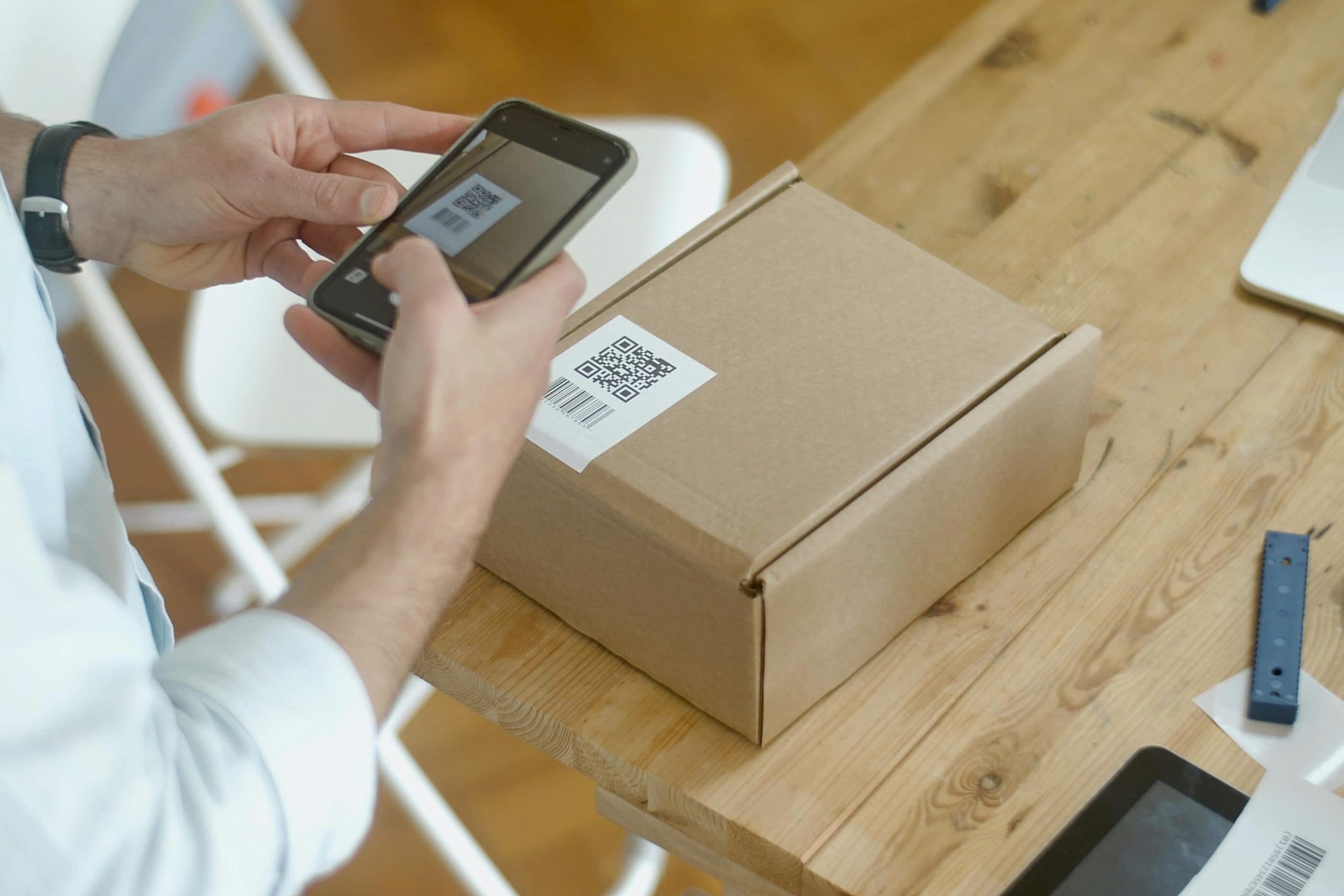
Unlike 1D barcodes, which store minimal information such as a product’s price and identifier, 2D barcodes can encode a wealth of data in a compact square. These new-generation barcodes can store product origins, sustainability certifications, and detailed supply chain information.The compact size of 2D barcodes makes them ideal for modern packaging, while their ability to store detailed data such as batch numbers, expiration dates, sustainability certifications, and even URLs has made them a favorite among forward-thinking retailers.According to Christopher Ang, CEO of GS1 Singapore, “2D barcodes unlock a new level of transparency, improved inventory management, better traceability, and sustainability.” For instance, 7-Eleven Thailand implemented GS1 DataMatrix 2D barcodes across over 100 ready-to-eat products in its 12,000+ stores by early 2023. These barcodes include expiration dates and batch numbers, replacing QR codes for enhanced efficiency. This transition has eliminated expired product complaints, improved quality control, and streamlined store operations. Building on this success, 7-Eleven Thailand aims to expand 2D barcode usage to more products, phasing out 1D barcodes entirely.This trend highlights the growing importance of transparency and ethical practices to consumers, particularly in Asia. A 2023 McKinsey report revealed that over 60% of consumers globally, including those in Asia, are willing to pay more for sustainable products and factor environmental and social responsibility into their purchasing decisions.
Transforming Retail Supply Chains
2D barcodes offer more than just enhanced consumer engagement. Compatible with smartphones, they allow instant access to detailed product information, including sustainability credentials and nutritional data. Retailers, in turn, benefit from better traceability, inventory management, and data analytics. The widespread adoption of 2D barcodes is driving a major shift in the retail industry, revolutionizing supply chain management, boosting consumer interaction, and combating counterfeiting.For example, Woolworths in Australia adopted 2D barcodes in 2019 for fresh meat and poultry, embedding batch details, supplier information, and use-by dates. By early 2022, half of their meat products featured these barcodes in over 1,000 stores. The technology has reduced food waste by 40% and enhanced food safety by automating expiry date tracking and recall processes.According to GS1, 2D barcodes can reduce inventory errors by up to 50%, allowing businesses to optimize stock levels and minimize waste. For example, Woolworths in Australia saw a 40% reduction in food waste by using 2D barcodes on fresh meat and poultry, which improved batch tracking and expiration management.Similarly, South Korea’s agricultural sector benefits from 2D barcode technology. The integration of QR codes on produce packaging allows retailers to trace goods from farm to store, ensuring food safety and compliance with export standards. This traceability is crucial for mitigating risks during product recalls, as businesses can quickly identify affected batches, thereby reducing financial losses and protecting brand reputation.One of the most significant benefits of 2D barcodes in retail is their ability to foster better consumer engagement. Based on consumer insights, 85% of consumers say that the information and pictures are important in their decision as to which brand they would buy from. This is where 2D barcode technology plays a huge role. This advanced technology helps consumer traceability. On the other hand, 2D barcodes may shine in these features, but this new technology, despite its numerous advantages, also has some potential challenges. Given that 2D barcodes are more complex and efficient, its software may require more frequent updates which would make the process more tedious. On another note, implementing 2D barcodes generally incurs higher costs compared to 1D barcodes, primarily due to the more advanced technology required for scanning and printing. They were developed to address the market’s century-long drawbacks; hence, their development may not be easily accessible to regular retailers.
The Future of 2D Barcodes in Asia
As Asia embraces digital transformation, 2D barcodes are expected to play a key role in retail innovation. Horizon: Grand View Research, a market researching body, solidifies this claim that the global 2D barcode reader market is experiencing significant expansion, valued at USD 7.32 billion in 2022 and projected to grow at a compound annual growth rate (CAGR) of 8.5% from 2023 to 2030. The booming e-commerce sector and advancements in logistics and warehousing technologies primarily drive this growth.Their report projected a significant growth of 10% at a compound annual growth rate from 2024 to 2030, reflecting the increasing integration of these technologies into the retail sector. In particular, the rapid expansion of e-commerce platforms and the continued rise of logistics hubs in key Asian markets—such as China, India, and Southeast Asia—demand advanced tracking systems. 2D barcodes are emerging as essential tools to meet this demand, allowing retailers and manufacturers to manage sales data, track inventory in real time, and ensure transparency across complex supply chains. The ability to track products seamlessly, from warehouse to doorstep, is becoming a cornerstone of the modern retail experience in Asia.GS1 is leading the effort to drive the adoption of 2D barcodes in retail, transforming the way information is shared and accessed. GS1 is a not-for-profit, international organization developing and maintaining its own standards for barcodes and the corresponding issue of company prefixes. The best known of these standards is the barcode, a symbol printed on products that can be scanned electronically.With Asia’s retail sector set to become a global leader in digital transformation, 2D barcodes are not merely an enhancement but a necessity. As these technologies evolve and integrate with other innovations, such as automated billing systems and wireless solutions, their role in the region’s retail supply chain will only become more pronounced. Retailers across Asia already recognize the strategic importance of adopting these systems to stay competitive in an increasingly transparent and data-driven market.We thank GS1 for their invaluable insights in shaping the future of retail through 2D barcode innovation.